Why More Families Are Installing Whole-Home Air Purification Systems
Indoor air quality has become a major concern for many homeowners. While people often focus on keeping their homes clean, removing dust, and opening windows for fresh air, the air inside a house can still contain unwanted particles, allergens, odors, and pollutants. This is one reason why more families are installing whole-home air purification systems as part of their home improvement plans.
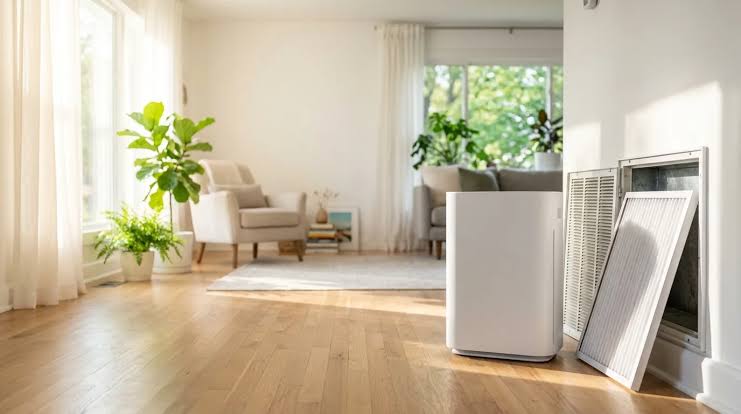
Unlike portable air purifiers that only clean the air in a single room, whole-home air purification systems work with a home’s existing heating and cooling system to improve air quality throughout multiple areas. They are becoming increasingly popular among families who want a cleaner, healthier, and more comfortable living environment without managing multiple standalone devices.
What Is a Whole-Home Air Purification System?
A whole-home air purification system is a built-in solution designed to filter and improve the air circulating throughout a house. These systems are usually installed alongside an HVAC system and treat air as it moves through the home’s ventilation network.
Depending on the type of system, it may remove dust particles, pet dander, pollen, smoke particles, bacteria, odors, and other airborne contaminants. Some advanced systems also include technologies designed to reduce microorganisms and improve overall indoor air freshness.
The main difference between a whole-home system and a portable air purifier is coverage. Instead of cleaning only one bedroom, office, or living area, a whole-home system works across the entire property.
Growing Awareness About Indoor Air Quality
Many families spend a large portion of their time indoors, making indoor air quality an important part of home comfort. Modern homes are often built with better insulation and tighter construction to improve energy efficiency. While this helps reduce heating and cooling costs, it can also limit natural air exchange.
When indoor air does not circulate properly, pollutants can accumulate over time. Common indoor air quality concerns include:
- Dust buildup
- Pet hair and dander
- Seasonal pollen
- Cooking odors
- Cleaning product chemicals
- Mold-related particles
- Smoke and outdoor pollution entering the home
Because of these concerns, homeowners are paying more attention to solutions that improve the air they breathe every day.
Benefits of Installing a Whole-Home Air Purification System
1. Cleaner Air Throughout the Entire Home
One of the biggest advantages of a whole-home air purification system is consistent air cleaning across different rooms. A portable unit may improve conditions in one specific area, but bedrooms, hallways, kitchens, and living spaces may still have airborne particles.
A properly installed system helps maintain cleaner air throughout the property by treating air as it moves through the HVAC system.
2. Better Support for Allergy-Sensitive Families
Families dealing with seasonal allergies often notice increased discomfort when pollen, dust, or pet particles circulate indoors. Air purification systems can help reduce the amount of these particles floating in the air.
While they are not a replacement for medical treatment, cleaner indoor air can make the home environment more comfortable for people who are sensitive to common airborne irritants.
3. Reduction of Unpleasant Odors
Homes naturally collect different smells from cooking, pets, furniture, and everyday activities. Some whole-home purification systems include filters or technologies designed to reduce odors and improve air freshness.
This can be especially useful for households with pets, large families, or homes located in areas where outdoor pollution affects indoor air.
4. Less Maintenance Compared to Multiple Portable Units
Using several portable air purifiers means managing different devices, replacing multiple filters, and finding space for each unit. A whole-home system provides centralized operation through existing HVAC equipment.
For many homeowners, this creates a simpler maintenance routine because there is one integrated system instead of multiple separate machines.
Types of Whole-Home Air Purification Technologies
Different systems use different methods to improve indoor air quality. Understanding these options can help homeowners choose the right solution.
High-Efficiency Filters
Advanced air filters are one of the most common options. They capture smaller particles than standard HVAC filters and can help reduce dust, pollen, and other airborne materials.
However, homeowners should choose filters carefully because extremely restrictive filters may affect airflow if the HVAC system is not designed for them.
UV Air Purification Systems
UV-based systems use ultraviolet light technology to target certain microorganisms that pass through the HVAC system. These systems are often installed inside air handling units or ductwork.
They are commonly used as an additional layer of air treatment rather than a complete replacement for filtration.
Activated Carbon Filters
Activated carbon filtration focuses on gases and odors. These filters can help reduce smells from cooking, smoke, and certain household chemicals.
Many homeowners choose carbon filters when odor control is a major priority.
Electronic Air Cleaners
Electronic air cleaners use electrical charges to capture airborne particles. They can provide additional filtration performance but may require regular cleaning and maintenance to work effectively.
Are Whole-Home Air Purification Systems Worth the Investment?
The value of a whole-home air purification system depends on a family’s needs, home design, and existing HVAC setup.
For households with allergy concerns, pets, indoor air quality issues, or family members who spend significant time at home, the benefits may justify the investment. Homes located near busy roads, construction areas, or regions with seasonal air quality challenges may also benefit.
However, homeowners should avoid choosing a system based only on marketing claims. A proper evaluation of the home’s ventilation, HVAC capacity, filter requirements, and specific air quality concerns is important.
Factors to Consider Before Installation
Before installing a whole-home air purification system, homeowners should consider several factors:
Existing HVAC Compatibility
Not every system works with every HVAC setup. A professional inspection can determine whether modifications are needed.
Filter Replacement Costs
Every purification system requires maintenance. Homeowners should understand replacement schedules and ongoing costs before purchasing.
Home Size and Airflow
The size of the system should match the home’s square footage and airflow requirements. An incorrectly sized unit may not deliver expected results.
Professional Installation
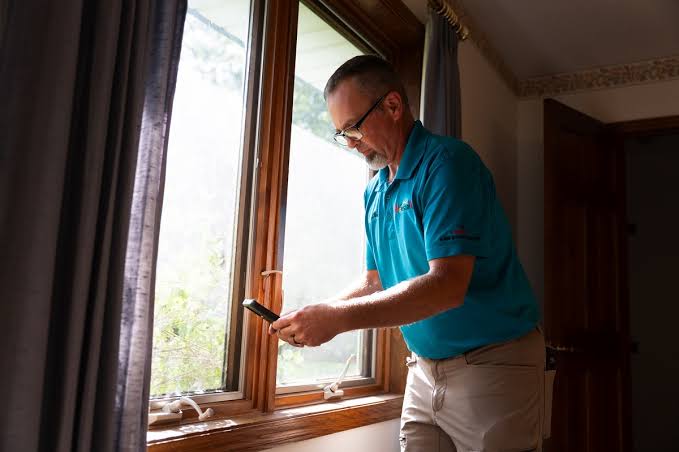
Although some home improvement projects are suitable for DIY work, whole-home air purification systems usually require professional installation because they connect with HVAC equipment.
The Future of Home Air Quality
As smart home technology continues to grow, air purification systems are becoming more advanced. Many newer systems can connect with smart thermostats, sensors, and mobile applications.
Future-focused homes may use real-time air quality monitoring to automatically adjust ventilation and filtration based on indoor conditions. This shift shows that indoor air quality is becoming an important part of modern home design rather than an optional upgrade.
Final Thoughts
Whole-home air purification systems are gaining popularity because homeowners are looking for practical ways to create healthier and more comfortable living spaces. Instead of relying on small devices that only treat individual rooms, these systems provide a more complete approach by improving air quality throughout the home.
While installation requires planning and investment, the long-term benefits of cleaner air, reduced airborne particles, and improved indoor comfort make these systems an attractive option for many families. As homes become smarter and more focused on health, whole-home air purification is likely to remain an important part of future residential improvements.