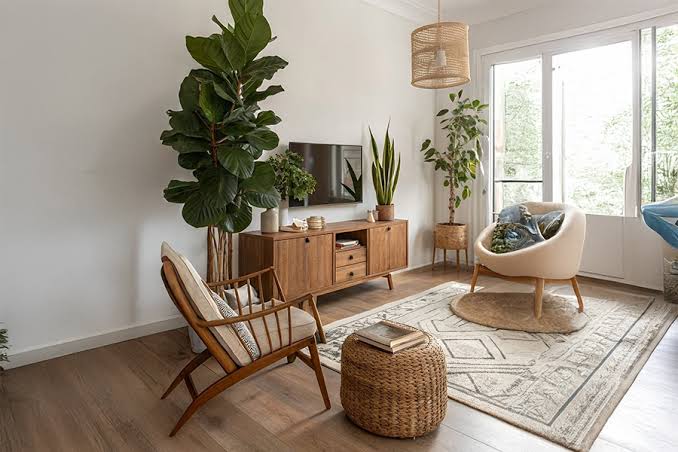
Room-by-Room Home Improvement Guide for Modern Living
Modern living is all about comfort, efficiency, and style working together. Instead of renovating your entire house at once, a room-by-room approach helps you stay organized, control costs, and create a balanced home that feels intentional rather than rushed.
This guide breaks down each area of the home with practical improvement ideas that are simple, modern, and achievable for most budgets.
Kitchen
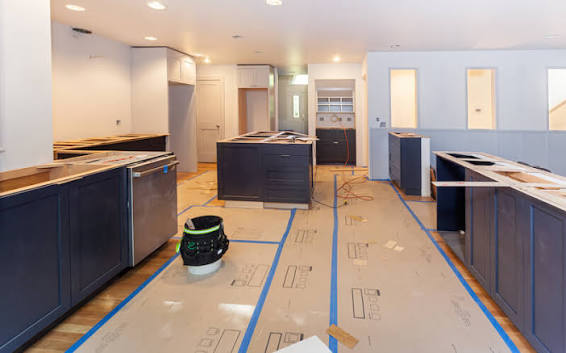
The kitchen is no longer just a cooking space—it’s the heart of modern homes. Upgrading it doesn’t always require a full remodel.
Start with lighting. Swap outdated bulbs for warm LED lighting under cabinets and above workspaces. It instantly improves visibility and creates a clean, modern glow.
Storage is another major upgrade area. Install pull-out drawers, hanging racks, and magnetic strips for knives and tools. Even small additions like spice organizers can make a big difference in usability.
For surfaces, consider resurfacing countertops instead of replacing them. Modern laminates, quartz overlays, or peel-and-stick finishes can transform the look without heavy costs.
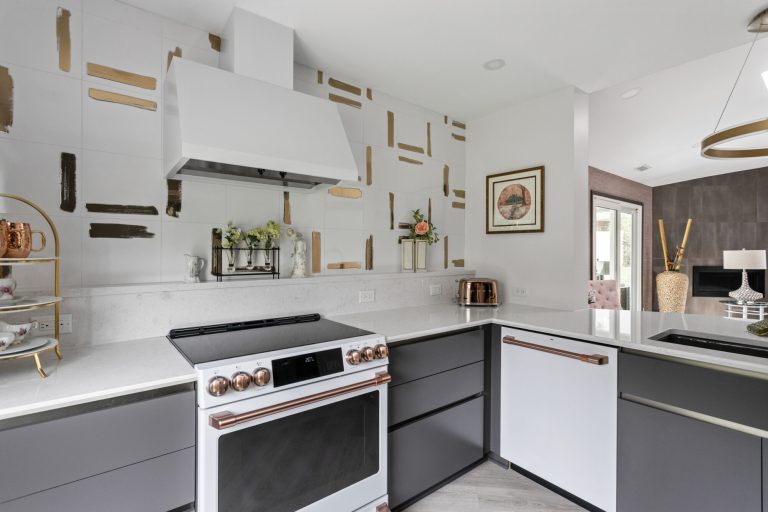
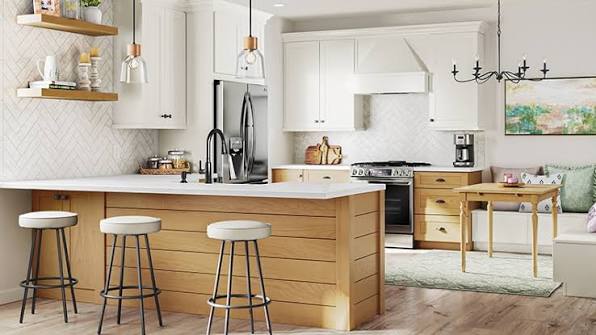
Finally, add small design touches like matte black handles, open shelves, or a minimalist backsplash to bring everything together.
Living
Your living room sets the tone for the entire house. It should feel inviting, flexible, and uncluttered.
Start by decluttering and choosing a layout that improves movement and conversation flow. Avoid overcrowding furniture; instead, focus on a few quality pieces.
A feature wall can dramatically upgrade the space. Whether it’s textured paint, wood panels, or subtle wallpaper, it adds depth without overwhelming the room.
Lighting plays a big role here too. Layer your lighting with ceiling fixtures, floor lamps, and table lamps to create different moods for day and night.
To modernize further, incorporate smart devices like automated lighting or a compact sound system that blends into the décor instead of standing out.
Bedroom
The bedroom should feel like a personal retreat—calm, soft, and restful.
Start with color. Neutral tones such as beige, soft gray, or muted greens help create a peaceful atmosphere. Avoid overly bright or busy patterns.
Invest in good bedding. High-quality sheets, layered blankets, and a supportive mattress can completely change how the room feels without altering structure.
Storage is key in maintaining a clean bedroom. Use under-bed storage boxes, built-in wardrobes, or wall-mounted shelves to keep surfaces clear.
Lighting should be soft and adjustable. Bedside lamps with warm bulbs or dimmable lights help create a relaxing environment, especially at night.
Adding simple décor like framed art, indoor plants, or a textured rug can make the space feel complete without cluttering it.
Bathroom
Bathrooms are often overlooked, but small upgrades here can make a big difference in daily comfort.
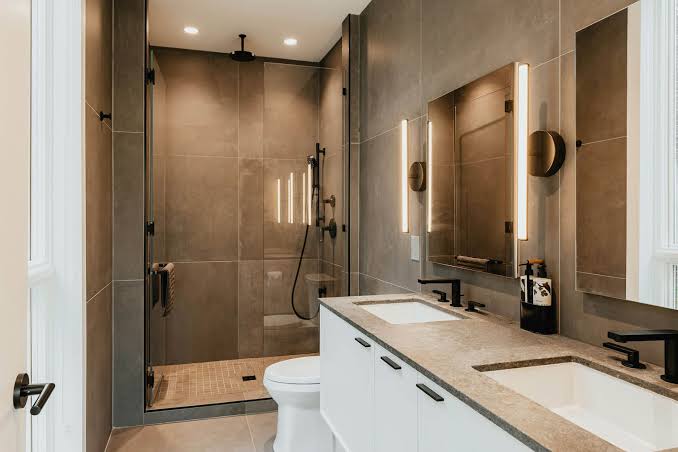
Start with fixtures. Replacing old taps, showerheads, and handles with modern chrome or matte finishes can instantly update the look.
Improve storage with floating shelves, mirrored cabinets, and wall-mounted organizers. This keeps essentials accessible without making the space feel crowded.
Lighting should be bright but soft on the eyes. LED mirrors are a popular modern upgrade that combine function with style.
If a full renovation isn’t possible, re-grouting tiles or applying waterproof wall paint can refresh the bathroom quickly and affordably.
Finally, add spa-like touches such as scented candles, small plants, or neatly rolled towels to enhance the experience.
Dining
The dining area is where people connect, so it should feel warm and functional.
Start with the table—choose a size that fits your space without dominating it. Wooden or glass-top tables work well for modern interiors.
Chairs can be updated with new upholstery or replaced with minimalist designs for a fresh look.
Lighting above the dining table is crucial. A pendant light or chandelier creates a focal point and defines the space visually.
To enhance the atmosphere, add subtle décor like a centerpiece, wall art, or a small sideboard for storage and serving essentials.
Keep the space uncluttered so it remains comfortable for both daily meals and gatherings.
Office
With remote work becoming more common, a functional home office is essential.
Start by choosing a quiet corner with natural light if possible. A well-lit workspace improves focus and reduces eye strain.
Invest in an ergonomic chair and a simple desk setup. Comfort should be a priority since long hours are often spent here.
Cable management is often overlooked but important. Use clips, boxes, or wireless devices to keep the workspace clean and distraction-free.
Add shelves or vertical storage to maximize space, especially in smaller homes.
Personal touches like minimal artwork or a small plant can make the office feel more inviting without being distracting.
Hallway
Hallways connect the entire home, but they are often underutilized.
Good lighting is essential. Wall sconces or ceiling strip lights can brighten narrow spaces and make them feel larger.
Use mirrors strategically to reflect light and create the illusion of space.
Storage benches or slim cabinets can turn hallways into functional zones for shoes, keys, or daily essentials.
Adding a gallery wall with simple frames can also bring personality to an otherwise plain area.
Outdoor
Outdoor spaces, whether a small balcony or a backyard, add huge value to modern living.
Start by cleaning and decluttering the area. Even a small space feels better when it’s organized.
Add comfortable seating such as foldable chairs, a bench, or outdoor cushions depending on space availability.
Greenery makes a big impact. Potted plants, vertical gardens, or hanging planters can instantly bring life to the area.
Soft lighting like string lights or solar lamps creates a relaxing evening atmosphere.
If space allows, consider a small coffee corner or mini dining setup for outdoor enjoyment.
Conclusion
A room-by-room approach to home improvement makes the process manageable and effective. Instead of overwhelming renovations, small and thoughtful upgrades can completely transform your living space.
By focusing on functionality, comfort, and modern design in each area, you create a home that not only looks better but also works better for everyday life.