Hidden Problems Home Inspections Often Reveal Before a Renovation Project Begins
Starting a home renovation project is exciting. Many homeowners imagine a new kitchen, updated bathrooms, improved flooring, or a more comfortable living space. However, before choosing paint colors, materials, or designs, one important step can save thousands of dollars and prevent major frustrations: a professional home inspection.
A home inspection before renovation is not just about checking whether a property is safe. It helps uncover hidden problems that may not be visible during everyday use. Issues behind walls, under floors, inside electrical systems, or within plumbing networks can turn a simple improvement project into an expensive repair job if they are discovered too late.
Understanding these hidden problems allows homeowners to create a realistic renovation plan, set the right budget, and make better decisions before construction begins.
Why Home Inspections Matter Before Renovation
Many homeowners assume that renovation work can begin immediately if the house looks fine on the surface. A clean interior, fresh paint, and modern furniture do not always represent the true condition of a property.
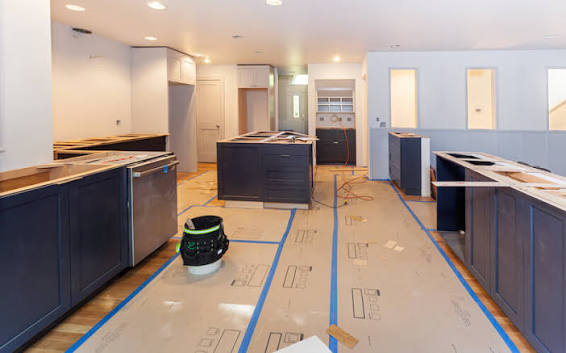
Renovations often involve opening walls, removing old materials, changing layouts, or upgrading systems. Once construction starts, contractors may discover unexpected problems that were hidden for years.
A home inspection provides a detailed overview of the property’s current condition. It identifies areas that need attention and helps homeowners decide whether repairs should happen before cosmetic improvements.
For example, replacing kitchen cabinets may seem like the priority, but an inspection could reveal outdated wiring or water damage behind the walls. Fixing those issues first prevents future damage and protects the investment.
Electrical Problems Hidden Behind Walls
Electrical issues are among the most common problems discovered during home inspections, especially in older properties.
Outdated wiring, overloaded circuits, damaged electrical panels, and improper installations can create safety risks and may not be obvious to homeowners. A house might have working lights and outlets while still having an electrical system that cannot safely handle modern appliances.
During an inspection, professionals may check:
- The condition of the electrical panel
- Proper grounding and wiring connections
- Signs of overheating or damage
- Outlet safety
- Circuit capacity
If a renovation includes adding new appliances, smart home devices, lighting systems, or entertainment equipment, addressing electrical concerns beforehand is essential.
Ignoring electrical upgrades can lead to expensive changes later because walls may need to be reopened after finishing work is completed.
Plumbing Issues That Can Increase Renovation Costs
Water-related problems are another major discovery during home inspections. Small leaks can remain unnoticed for years and slowly damage structures.
Common plumbing problems include:
- Old pipes that need replacement
- Hidden leaks behind walls
- Low water pressure
- Drainage issues
- Corrosion and pipe damage
A bathroom renovation is a perfect example of why plumbing inspections matter. Installing new tiles, fixtures, and cabinets will not solve problems with old plumbing systems.
If leaking pipes are discovered after a renovation is complete, homeowners may need to remove newly installed materials to access the damaged areas.
A plumbing inspection before renovation helps avoid unnecessary demolition and ensures that new improvements are built on a reliable foundation.
Moisture Damage, Mold, and Water Intrusion
Moisture problems are often hidden because they develop slowly. A small roof leak, poor drainage system, or damaged seal around windows can allow water to enter areas that homeowners rarely inspect.
Signs of hidden moisture damage may include:
- Musty odors
- Discoloration on walls or ceilings
- Peeling paint
- Soft flooring areas
- Mold growth
Mold and moisture issues should be addressed before renovation because covering them with new materials can make the problem worse.
For example, installing new drywall over a damp wall may create a hidden environment where mold continues growing. A proper inspection helps identify the source of moisture instead of only treating visible symptoms.
Structural Problems That Affect Renovation Plans
Some renovation ideas require changing walls, expanding rooms, adding new spaces, or modifying existing layouts. Before making structural changes, homeowners need to understand how the building is supported.
A home inspection may reveal:
- Damaged support beams
- Foundation movement
- Cracks in important areas
- Weak framing
- Structural deterioration
Not every crack means a serious problem, but professional evaluation can determine whether repairs are needed.
Structural issues can significantly change renovation plans. Removing a wall may not be possible without additional support, and ignoring structural concerns can affect safety and property value.
Roof and Attic Problems Often Overlooked
The roof protects the entire home, but many homeowners focus on visible areas and forget about what is happening above ceilings.
A home inspection can reveal:
- Roof damage
- Missing or damaged shingles
- Poor ventilation
- Insulation problems
- Attic moisture issues
These problems matter because a renovated interior will not remain in good condition if water or temperature issues continue from above.
Improving insulation and ventilation during renovation can also increase energy efficiency and improve indoor comfort.
Problems With Windows, Doors, and Insulation
Windows and doors affect more than appearance. They influence energy bills, indoor temperature, and noise levels.
An inspection may identify:
- Air leaks
- Damaged frames
- Poor sealing
- Condensation problems
- Insufficient insulation
Replacing windows or improving insulation may become a better investment than simply updating interior finishes.
A home that looks beautiful but wastes energy because of poor insulation may not provide the comfort homeowners expect.
Pest Damage and Hidden Infestations
Pests can create serious damage before homeowners notice any signs. Termites, rodents, and other pests may affect wooden structures, insulation, and electrical systems.
During inspections, professionals look for evidence such as:
- Wood damage
- Droppings
- Nesting areas
- Entry points
- Structural weakening
Renovating without addressing pest problems can allow damage to continue behind newly installed materials.
How Inspection Results Help Create a Better Renovation Plan
The purpose of a home inspection is not to stop renovation plans. Instead, it helps homeowners approach projects with better information.
Inspection findings can help you:
- Prioritize important repairs
- Create a realistic budget
- Avoid unexpected expenses
- Choose suitable materials
- Discuss accurate plans with contractors
A smart renovation usually starts with improving the home’s condition before focusing on appearance.
Final Thoughts
A renovation project is a major investment, and hidden problems can quickly turn an exciting upgrade into a stressful experience. Home inspections help reveal issues that are easy to miss, from electrical and plumbing concerns to moisture damage and structural weaknesses.
By identifying these problems before construction begins, homeowners can make informed decisions, protect their budget, and create improvements that last for years.
The best renovation projects are not only beautiful on the outside. They are built on a safe, strong, and properly maintained home underneath. A professional inspection provides the knowledge needed to achieve that goal.